
-
-
 显示更多
显示更多 -
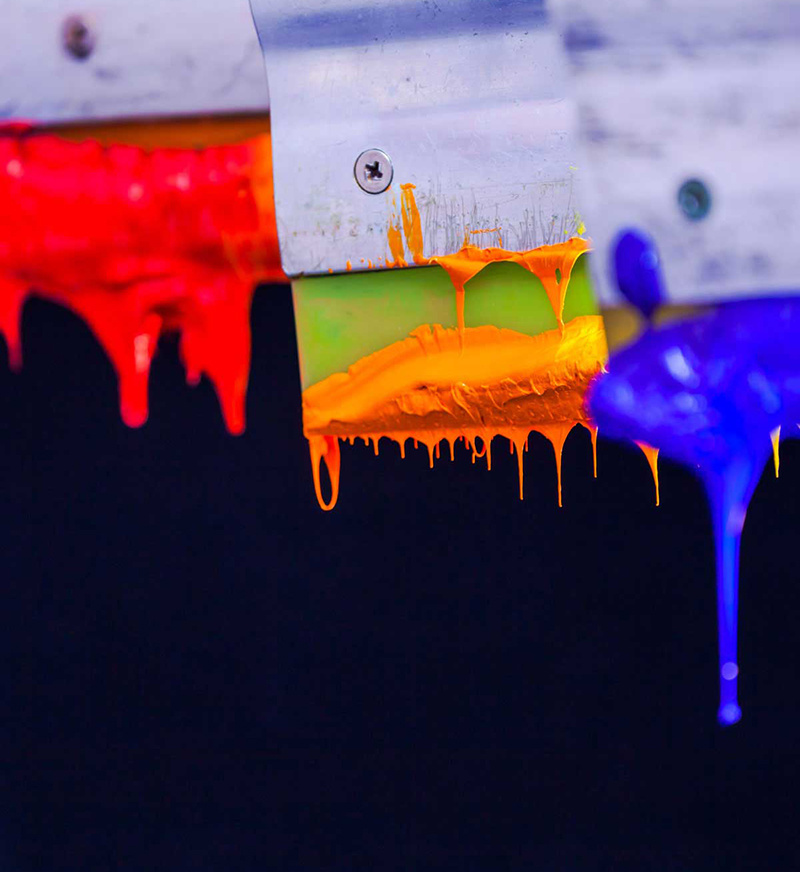 Based on more than 10 years of experience, UV/LED screen printing inks for decorative and functional applications have been widely recognized by customers.
 -
 LED light curing digital printing ink for flexible, rigid substrates and wide to ultra-wide applications.
 -
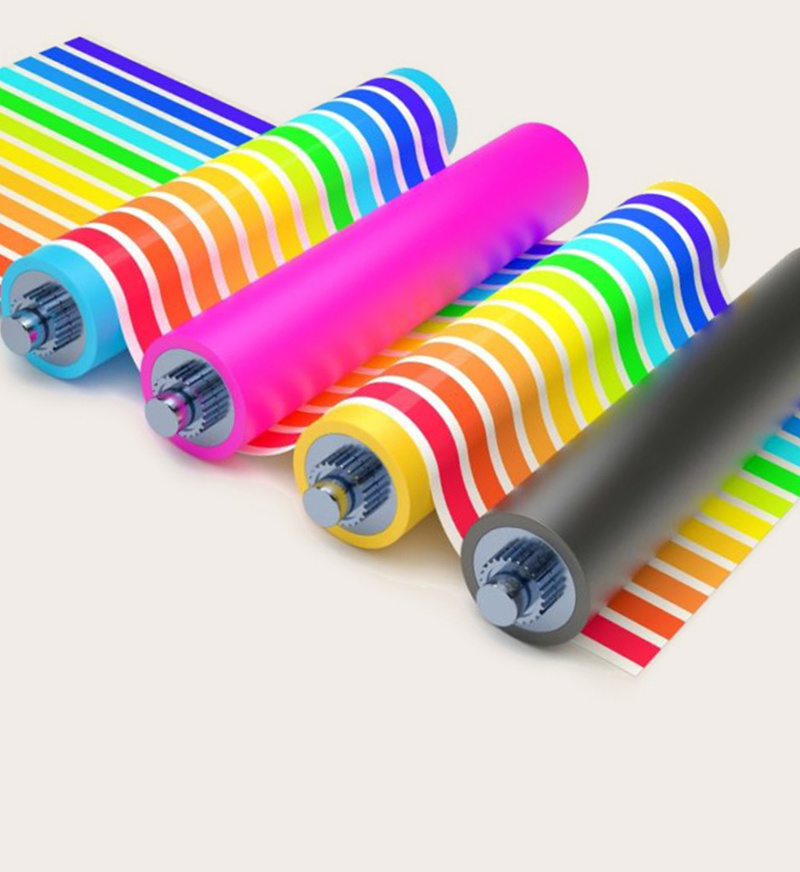 It is suitable for printing plastic film, metal foil, paper and corrugated paper.
 -
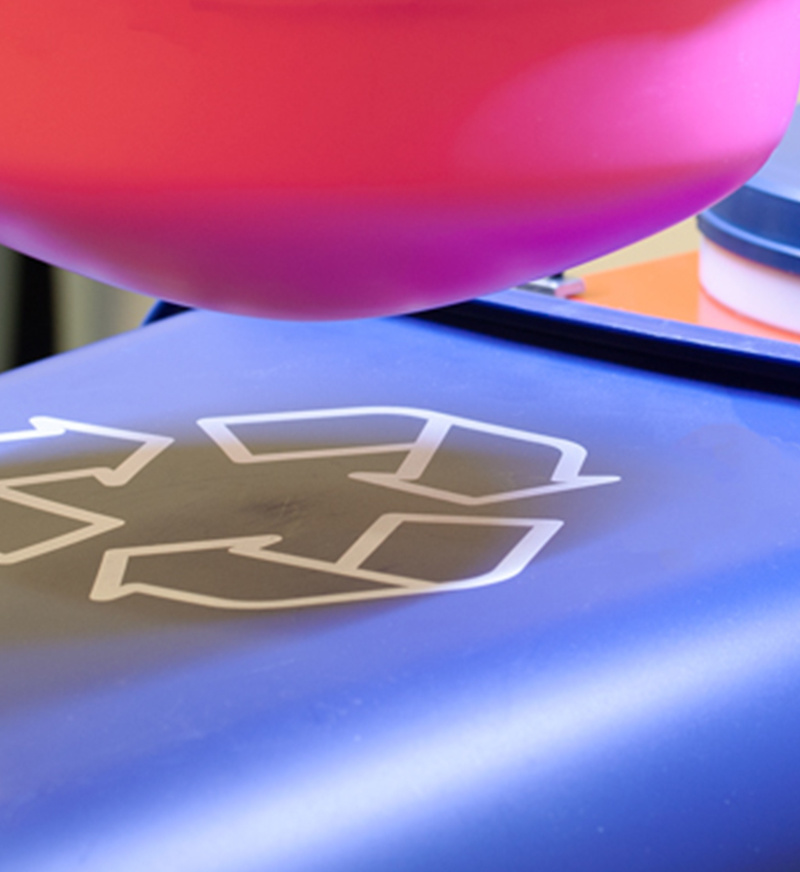 Provide a variety of printing methods of environmental protection ink.
 -
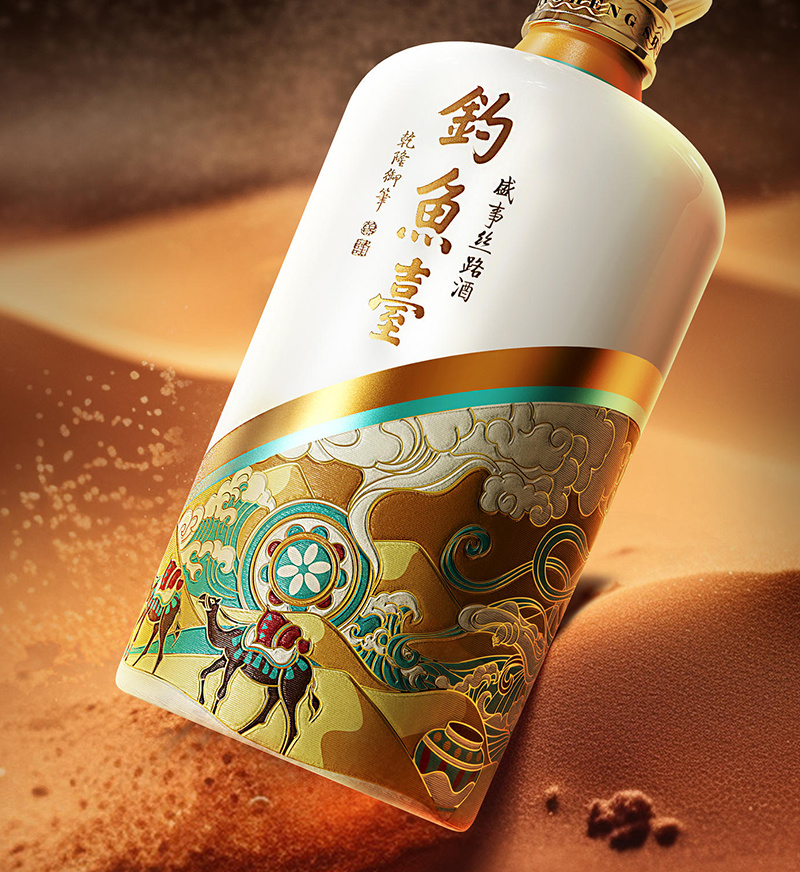 Find the perfect ink solution for your specific application, be it graphic or industrial.
 -
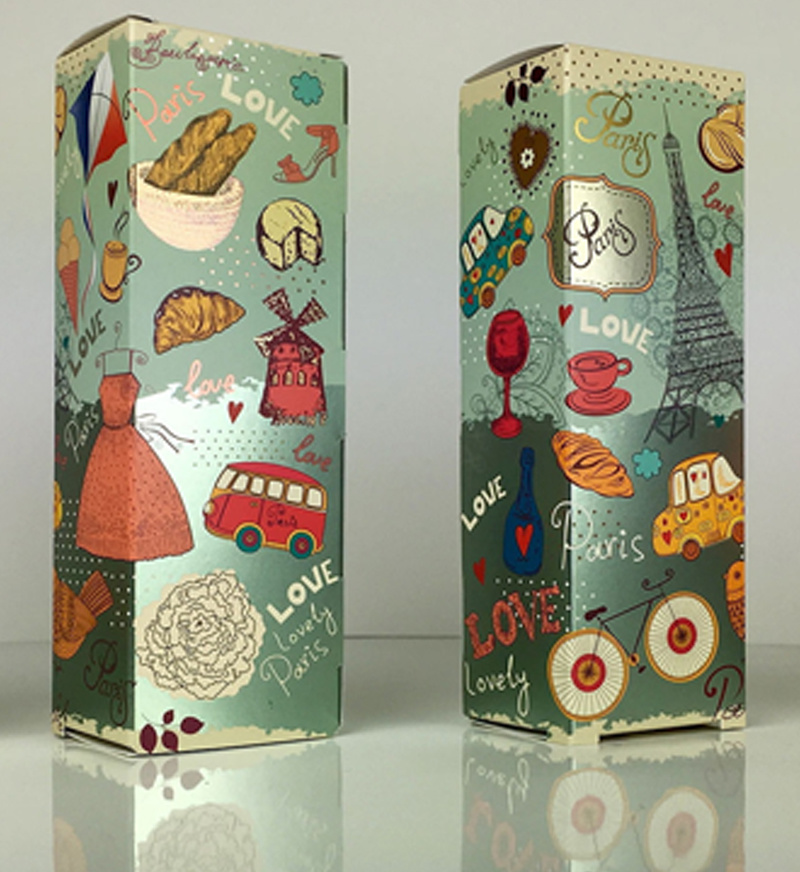 Find the perfect ink solution for your specific material, be it for graphics or industrial applications.
 -
-
-
-
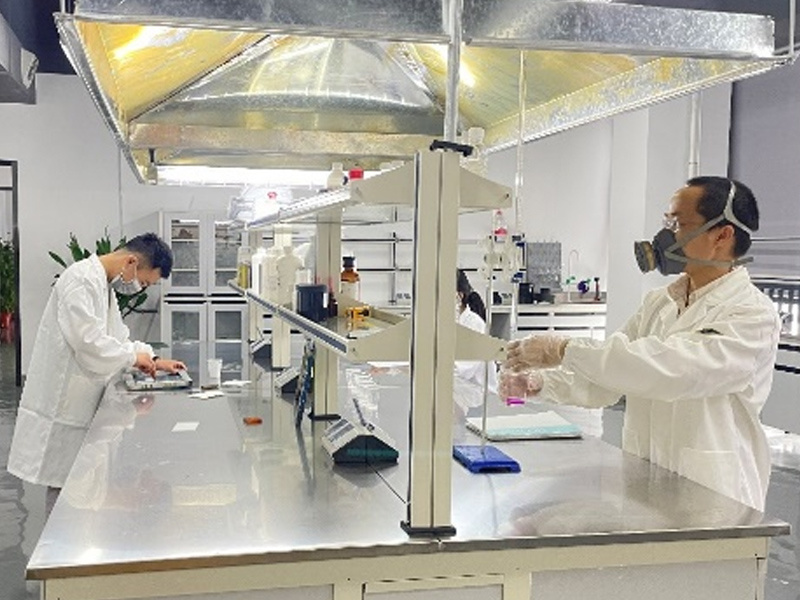 Our technical service department will be ready to provide you with technical service and technical support, please contact our technical service hotline.
 -
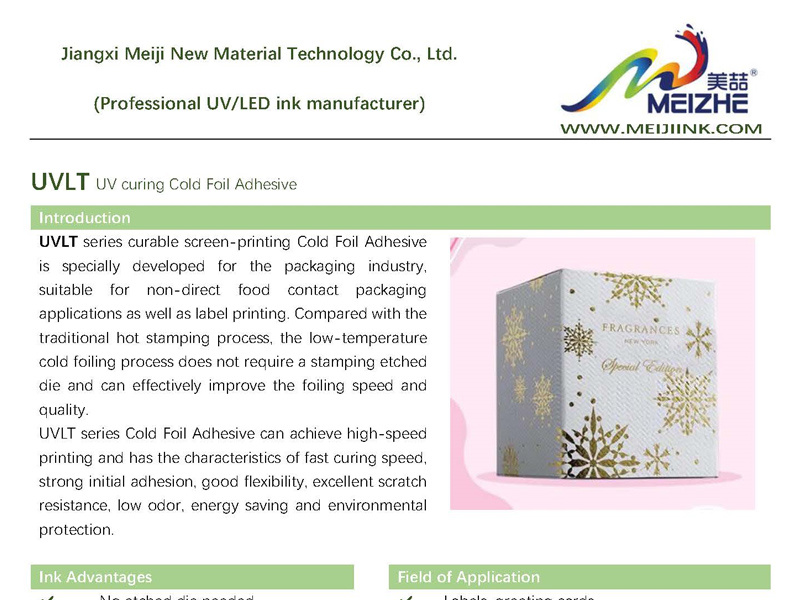 We provide complete technical data sheets of Meggie ink products for your reference.
 -
 Detailed technical information on current application areas, substrates, standards, etc.
-
-
-
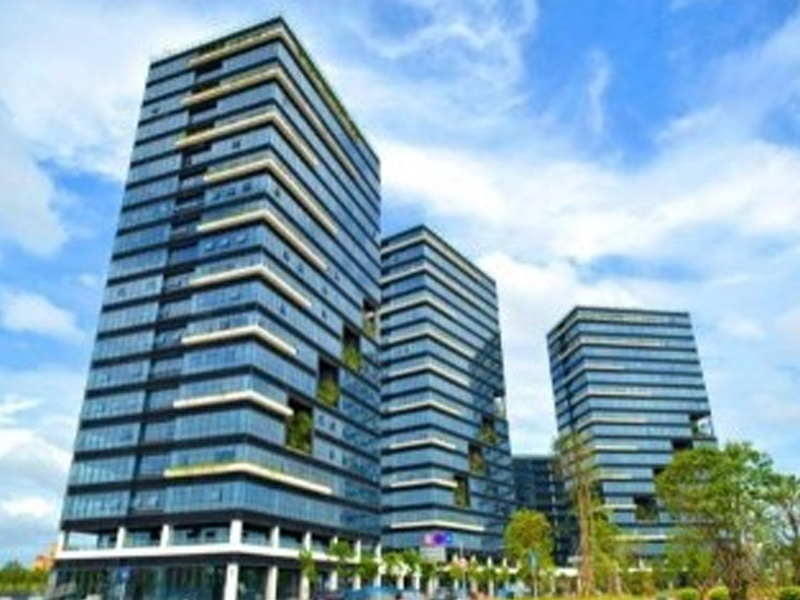
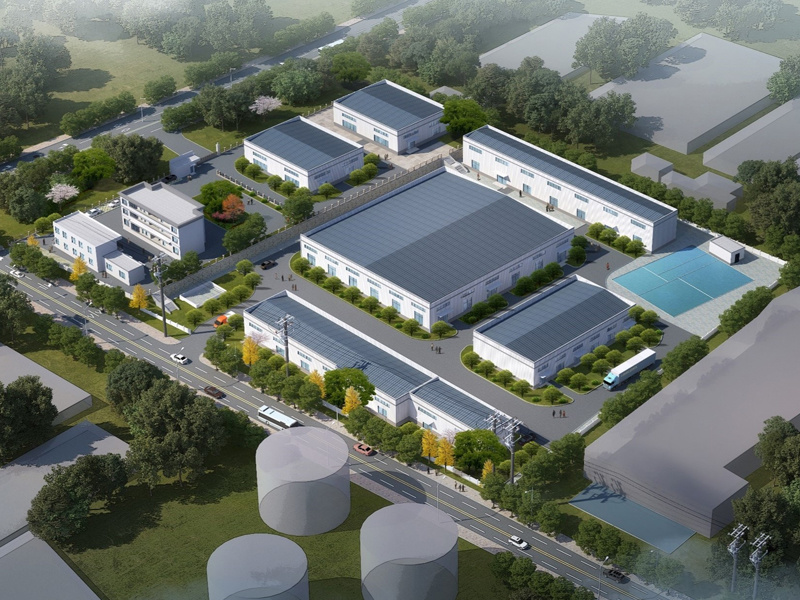 Meiji New Material Technology Co., Ltd is an enterprise specializing in the production of environmentally friendly UV/LED inks, integrating R & D, production and sales.
 -
 Qualifications and certificates obtained by the company and its products
 -
 Sustainability has always been a core value at Meiji, and we consistently put these principles into practice.
 -
 Join us and create a better future with us!
 -
 We have an experienced team of professionals to tailor reliable, affordable solutions for you.
-


- All
- Product Management
- News
- Introduction
- Enterprise outlets
- FAQ
- Enterprise Video
- Enterprise Atlas
Digital Printing vs. Screen Printing for Water Transfer Decals: A Technical Comparison
Release time:
2026-06-02 10:12
Source:
When choosing a manufacturing method for water transfer decals, production managers and industrial product decorators face a critical decision: Digital inkjet printing or traditional screen printing?
Both technologies offer unique advantages depending on your production volume, design complexity, and substrate requirements. In this technical article, we analyze the engineering differences between these two systems to help you choose the right industrial solution.
1. Production Volume and Initial Setup Costs
The choice between screen and digital printing often depends heavily on the size of your production run.
-
Traditional Screen Printing: This method requires a high initial setup cost. Production engineers must create individual physical screens for every specific color in the design. Therefore, screen printing is not profitable for short runs or prototyping. However, for high-volume mass production, the cost per decal drops significantly, making it highly economical.
-
Digital Inkjet Printing: Digital systems require zero setup costs. The artwork is sent directly from a computer file to the printhead. This print-on-demand workflow makes digital printing the ideal choice for small orders, customized designs, and rapid product sampling.
2. Design Flexibility and Color Accuracy
As product designs become more complex, the capability to print high-resolution graphics becomes vital.
-
Color Transitions and Gradients: Digital printing easily handles unlimited color variations, photographic details, and complex gradients. Screen printing struggles with high-resolution photographic images, as it requires complex multi-color separation screens.
-
Solid Opacity and Spot Colors: Traditional screen printing excels at solid, vibrant colors. It delivers excellent Pantone matching, true metallic inks (like gold and silver), and a highly opaque, thick solid white background. While modern digital UV inks have improved significantly, achieving identical opacity with white digital ink usually requires multiple printing passes.
3. Ink Film Thickness, Adhesion, and Mechanical Properties
The chemical behavior of the ink after curing changes how the decal performs on the final substrate.
-
Screen Printing Inks: Screen inks deposit a relatively thick layer of ink on the transfer paper. This thick ink film provides excellent flexibility, stretchability, and structural durability during application. This is essential when applying decals over highly curved or complex industrial parts.
-
Digital Inkjet Inks (UV-LED): Digital inkjet printing applies a much thinner ink layer. For UV digital printing, the ink film is instantly cured by UV-LED lamps. Digital formulations provide excellent chemical resistance and instant adhesion on difficult substrates like carbon fiber, glass, or metals. However, the thinner, highly cross-linked ink layer can be less flexible than screen ink during the water transfer process.
4. The Modern Hybrid Workflow Solution
To combine the benefits of both worlds, many advanced manufacturing facilities now utilize a hybrid decal production system:
-
Step 1: The highly detailed, multi-color graphic artwork is printed using a high-resolution digital inkjet printer.
-
Step 2: A traditional screen printing machine is used to apply the final transparent covercoat (the carrier film) over the digital print.
This hybrid process gives manufacturers the unlimited design flexibility of digital inkjet printing, combined with the proven mechanical reliability and application strength of traditional screen water transfer decals.
Related News
Meiji Company's digital printing ink (foiling varnish) is launched in batches.
After a long period of laboratory testing and supporting equipment, the digital printing ink (foiling varnish) of Jiangxi Meiji New Material Technology Co., Ltd. has been successfully launched in batches and has been well received by customers.
Meiji Company will participate in SINO LABEL 2024
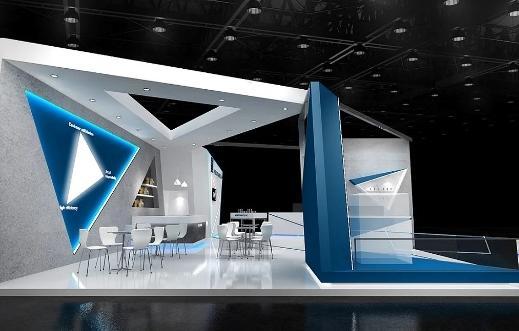
Jiangxi Meiji New Material Technology Co., Ltd. will participate in the China International Exhibition on Label Printing Technology 2024 (SINO LABEL 2024)from March 4-6, 2024. This exhibition is a combination of four exhibitions:[ SINO LABEL], [Printing South China], [Sino-Pack] and [Pack-Inno]. It has developed into an international exhibition that comprehensively covers the four major categories of printing, packaging, labeling, and packaging products.